Product
Cinnamon
Nature’s Sweet Spice
Description
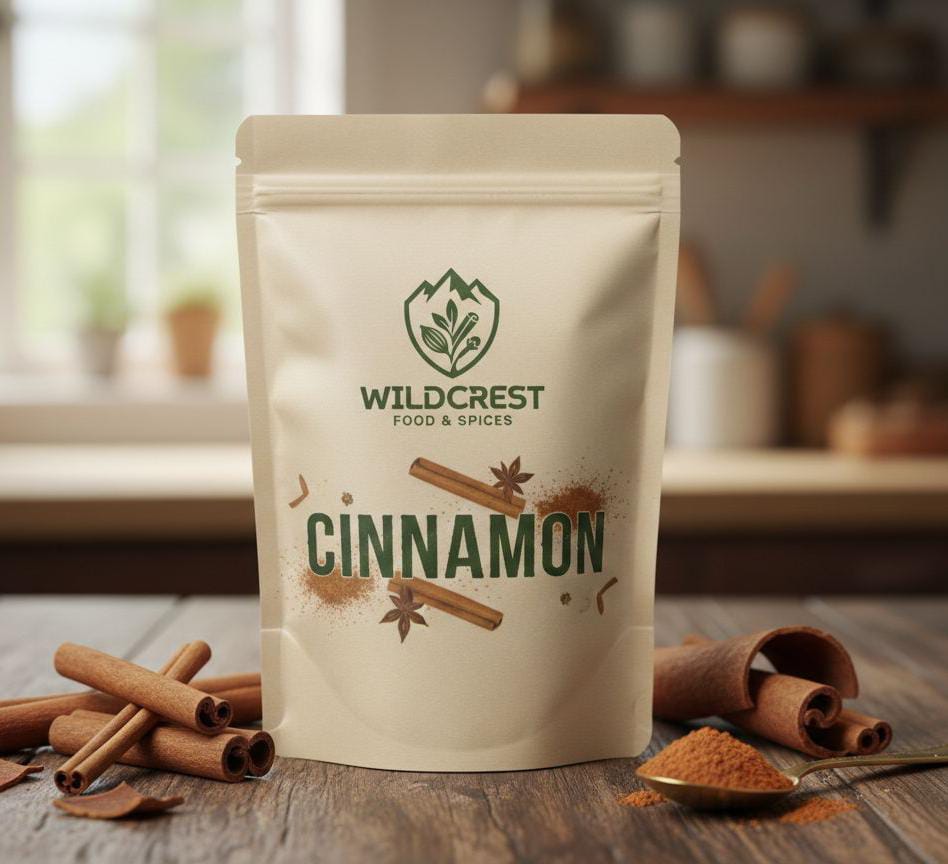
Cinnamon is one of the oldest and most cherished spices in the world, prized for its sweet aroma, warm taste, and remarkable health benefits. Derived from the inner bark of trees belonging to the genus Cinnamomum, cinnamon has been used for thousands of years in cooking, traditional medicine, and even ancient rituals.
Historically, cinnamon was so valuable that it attracted traders from the Arab world, China, and Europe to the spice-rich coasts of Kerala. It played a significant role in the global spice trade, shaping the cultural and economic history of the region.
In India, especially in the lush hills of Wayanad and Idukki, cinnamon is cultivated under ideal climatic conditions—cool weather, fertile soil, and abundant rainfall. These regions produce high-quality cinnamon with a delicate sweetness and rich aroma, making it a key ingredient in premium spice collections.
Cinnamon has a mildly sweet and woody flavor, making it a versatile spice used in both sweet and savory dishes. It enhances the taste of curries, biryanis, desserts, baked goods, and beverages like tea and coffee. In Indian cuisine, it is an essential part of spice blends such as garam masala.
Beyond its culinary value, cinnamon is well-known for its medicinal properties. It is rich in antioxidants and has anti-inflammatory and antibacterial benefits. It helps regulate blood sugar levels, supports heart health, aids digestion, and boosts immunity. Traditionally, it has also been used to relieve colds and improve overall wellness.
Cinnamon is more than just a spice—it is a symbol of warmth, tradition, and natural goodness. From ancient trade routes to modern kitchens, it continues to add flavor, fragrance, and health to everyday life.